Applying design thinking to a style guide
Problem
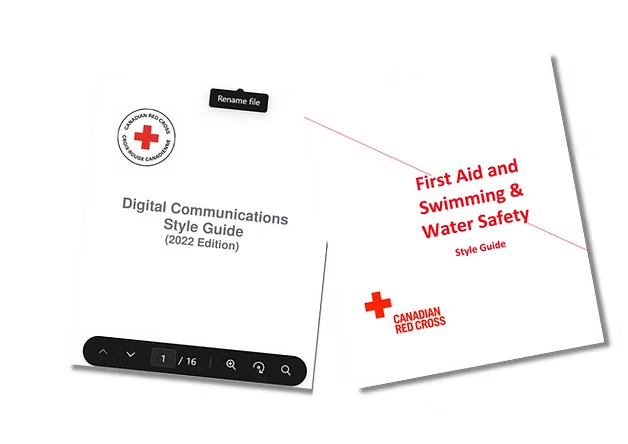
Style guides lived in PDFs from different years, scattered across SharePoint. No one could tell which was current.
My role
Senior Content Specialist, hired to build content governance for the team.
The decision
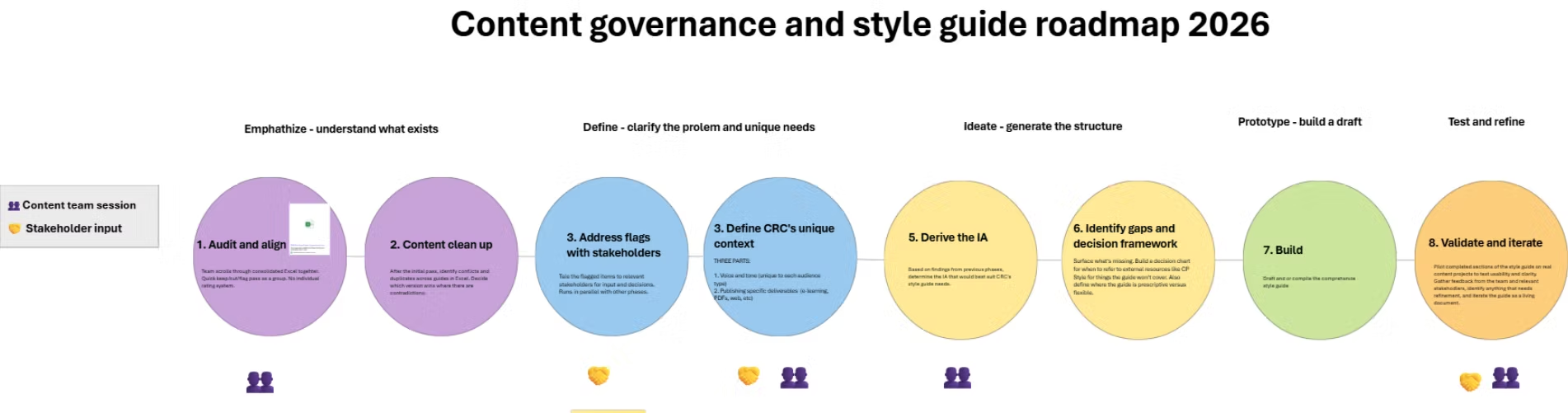
Treat the guide as a design problem: a roadmap that ties each phase to a design thinking stage, so the team knew when they'd be needed.
Result
373+ views in 3 weeks. The biggest skeptic is now an active contributor.
Before: which guide is current?
The strategy: a roadmap built on design thinking
A style guide involves the whole team: content specialists, architects and a manager. I mapped the work to the five design thinking stages so everyone could see the scope, where they came in, and how much of their time I'd need. Each section below follows one stage.
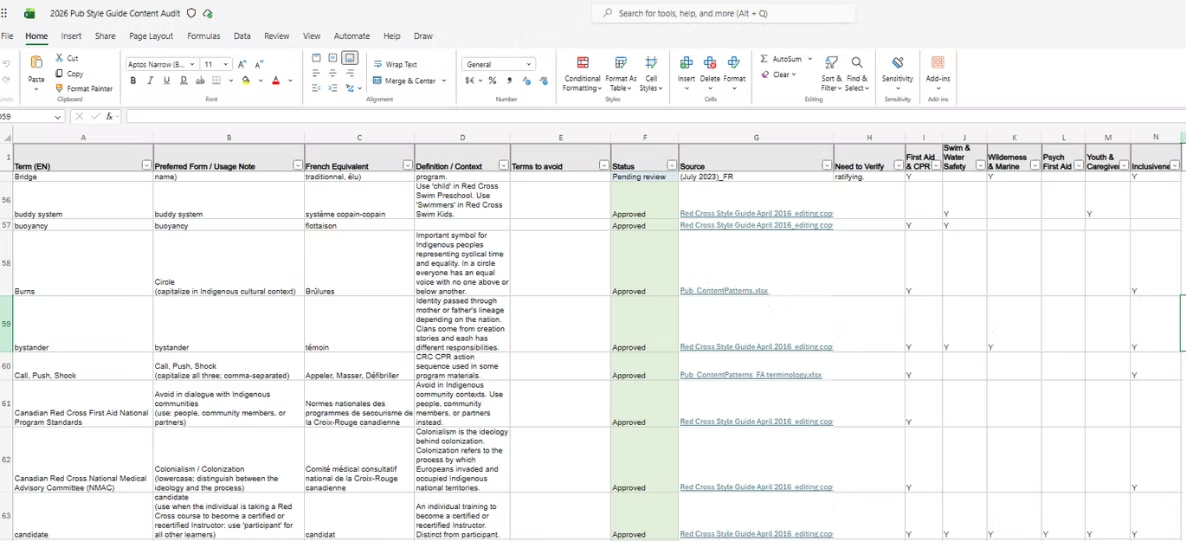
Auditing 629 rules, each traceable to its source
Thirteen source guides, 629 rules. I used AI to get through it in weeks rather than months, and had it cite the original source for every row so I could check its work instead of trusting it. Open questions went to our bi-weekly content discussions.
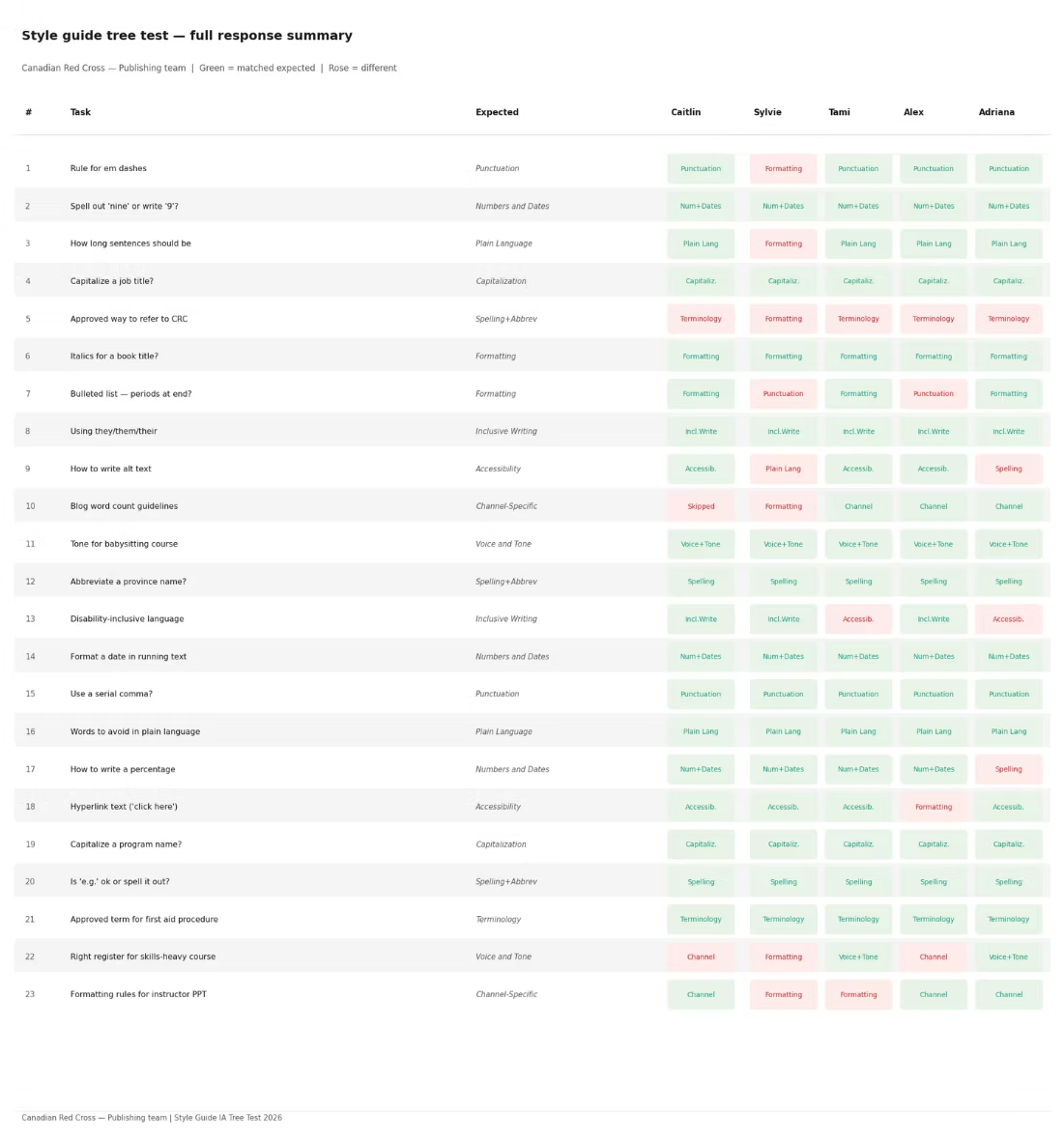
Tree test, not card sort
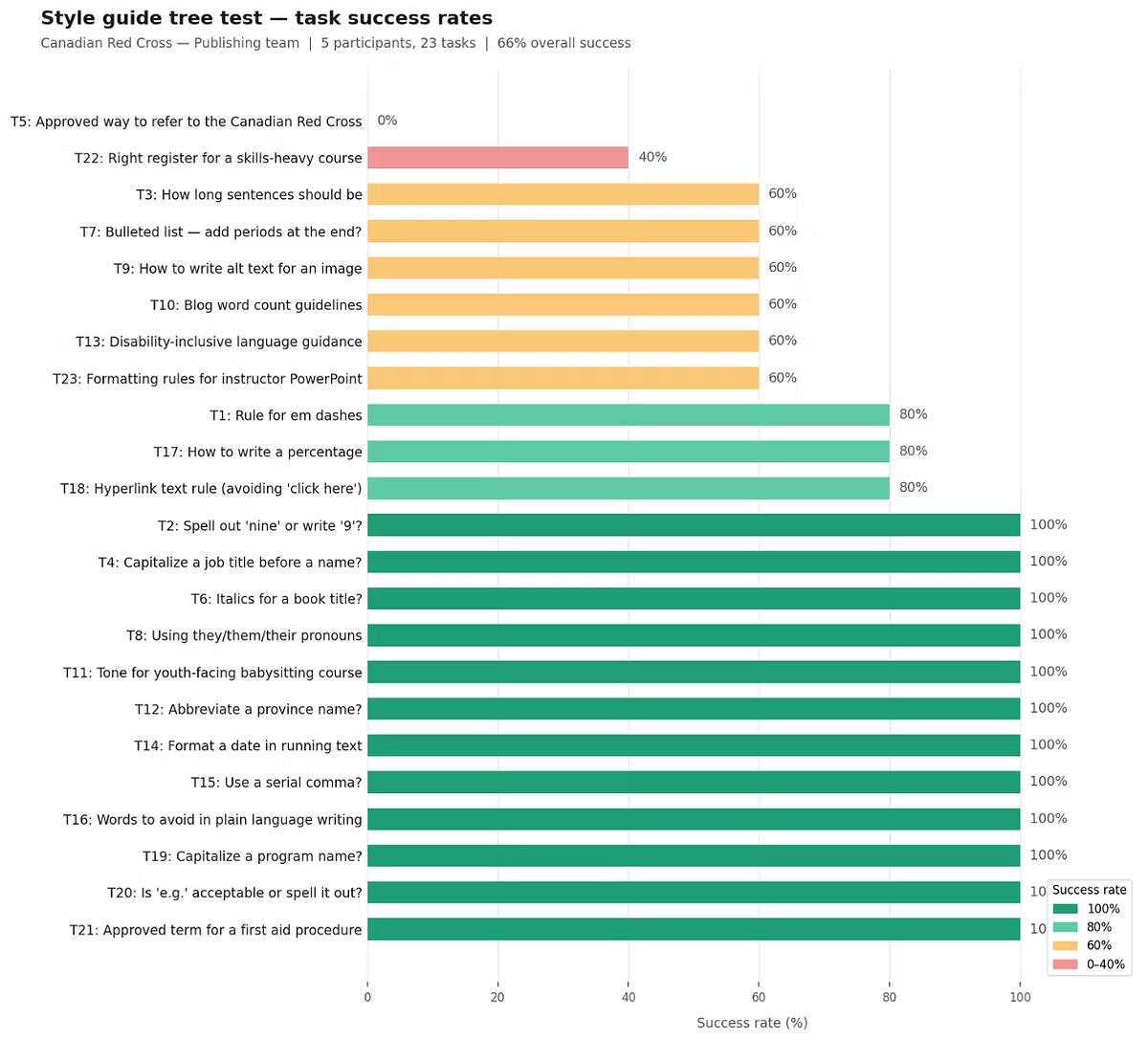
A card sort would have cost a lot of team time for categories the audit was already showing. I drafted candidate categories, had five teammates find 23 rules in them, and analyzed the results without paid tools.
Piloting in Confluence
I tested the structure in SharePoint first, then moved to Confluence. The digital team already worked there, so the guide could connect to the wider organization instead of sitting in its own silo.
Results, first 3 weeks
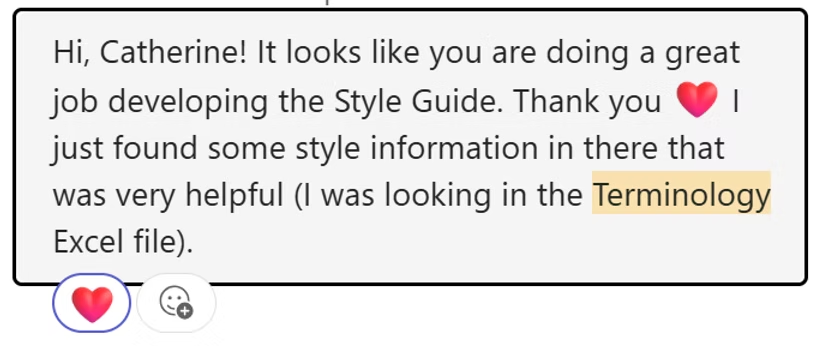
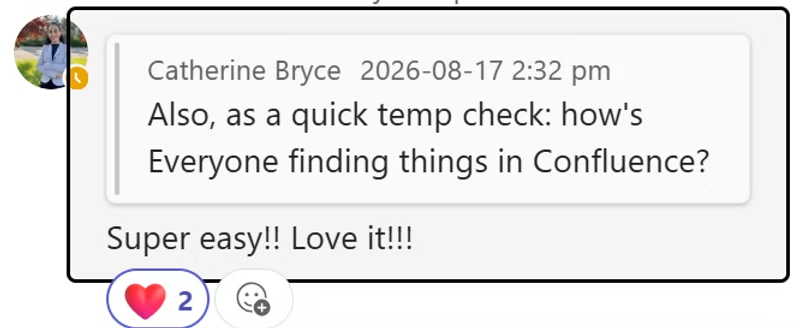
The teammate who first called Confluence overkill replied to my check-in with a fire emoji and now comments in the docs. Another cited it, unprompted, in a module review.
More on this: my LinkedIn article on the environments that make or break style guides